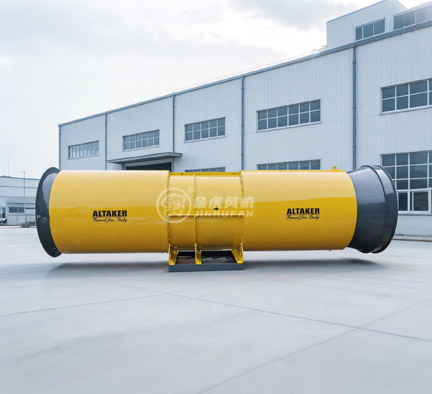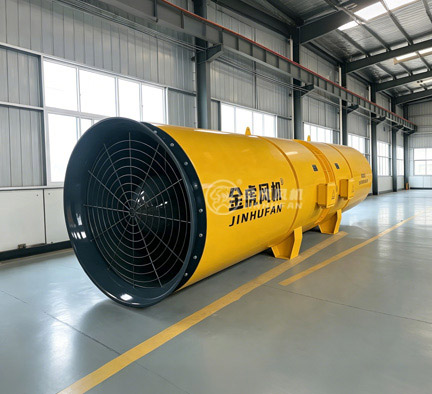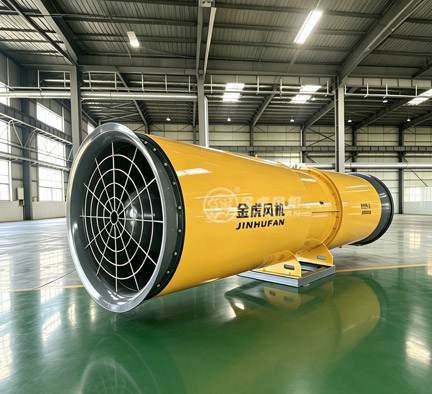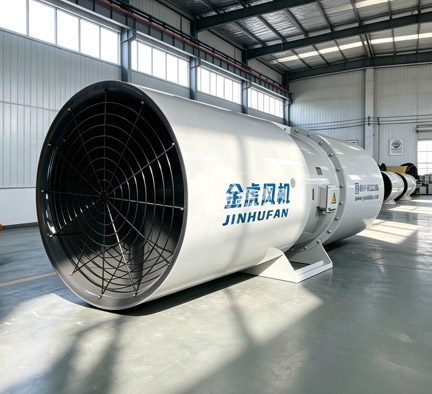

FT Series Tunnel Ventilation Ducts
Complete Introduction to Tunnel Flexible Air Duct (Tunnel Flexible Air Guidance Duct)
The tunnel soft air duct, also known as an air belt, flexible ventilation duct, or air guide duct, is a specialized flexible air passage designed for tunnel construction and subway ventilation. When used in conjunction with axial fans, it facilitates long-distance delivery of fresh air while removing dust from excavation faces, blasting fumes, and exhaust gases, serving as the core ventilation component in underground tunnels.
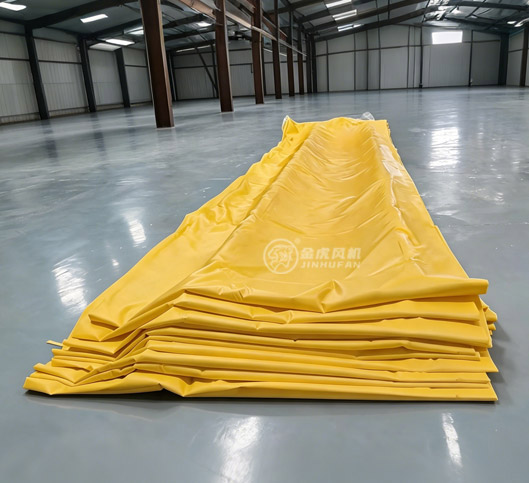
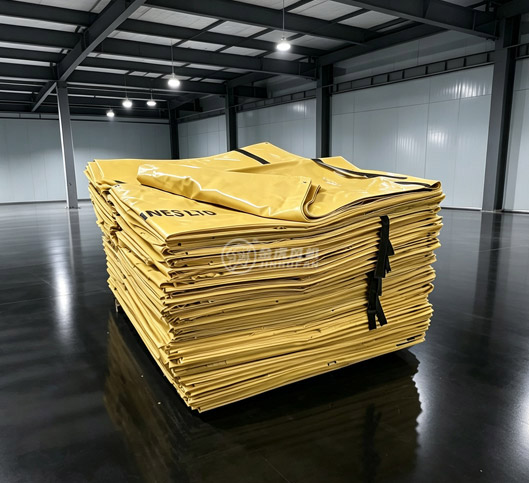
Main Uses and Scope of Application
-
1. Pressurized air supply: delivers fresh outdoor air to the tunnel excavation face for oxygen provision and dilution of harmful gases.
-
2. Exhaust ventilation: Remove smoke, dust, gas, and carbon monoxide from the cave and discharge them outside.
-
3. Vibration-damping connection: Short-length flexible duct with fan port flange, designed to isolate vibrations, compensate for installation deviations, and provide airtight sealing.
-
4. Emergency smoke exhaust: Under fire conditions, fans are deployed to direct smoke flow, ensuring smoke-free environments in evacuation routes.
Two main mainstream classifications
1. Positive-pressure flexible duct (skeleton-free seamless duct, most commonly used on construction sites)
- Structure: High-strength polyester fabric with double-sided coating of PVC/rubber, formed through seamless heat sealing without internal steel wire reinforcement.
- Operating principle: The fan blows air inward, utilizing wind pressure to support the cylinder body and achieve pressurized air delivery.
- Advantages: extremely low air leakage, minimal wind resistance, lightweight design, foldable for storage, and excellent wear resistance and tear resistance.
- Indicated for short-to-medium distance air supply in highway/railway tunnels and conventional civil engineering tunnels.
2. Negative-pressure telescopic air duct (with built-in steel wire skeleton)
3. Structure: The cylinder body is internally equipped with a spiral carbon steel wire ring, which can be freely stretched, bent, or curved.
4. Operating principle: The fan creates negative pressure to extract waste gases, preventing collapse due to suction.
5. Advantages: Flexible layout for turning, long-distance air extraction capability, resistance to negative pressure deformation, with a diameter shrinkage rate ≤1%.
6. Applicable to: gas and dust extraction in ultra-long tunnels, and exhaust ventilation in subway tunnels
Common Material Classification
1. Standard PVC-coated fabric: suitable for conventional dry tunnels, flame-retardant basic model with high cost-effectiveness.
2. Flame-retardant and anti-static S-grade fabric (standard configuration) Specifically designed for gas, coal mining, and subway tunnels; features flame-retardant and anti-static properties to prevent static electricity-induced gas explosions; complies with MA safety certification standards for mining applications; exhibits a leakage rate of ≤5% per 100 meters.
3. Silicone rubber high-temperature resistant fabric: Designed for TVF fan operation under 250°C fire exhaust conditions, featuring excellent heat resistance and aging resistance.
4. Thickened rubber fabric: Ideal for harsh tunnels with high rockfall friction, offering excellent wear resistance, durability, and extended service life.
Key Performance Features
1. Flexible and bendable: Suitable for tunnel curves and installations with significant elevation differences, which cannot be achieved with rigid air ducts.
2. Easy installation: The tube features hanging ears for secure attachment via a top chain; quick assembly
3. Sealed without air leakage: Seamless hot-melt process with minimal wind pressure loss over long distances and no reduction in fan efficiency.
4. Flame-retardant and explosion-proof: Standard engineering specifications employ flame-retardant and anti-static materials to comply with tunnel safety regulations.
5. Easy to store: Can be fully folded and packed when not in use, taking up minimal space for transportation and storage
Key Points for Installation and Use
1. Maintain straight alignment to avoid distortion, sagging, ground contact wear, and barrel damage or air leakage.
2. Each section locks securely together when the zipper is fully closed; any air leakage will directly result in insufficient airflow at the working surface.
3. Negative-pressure air ducts shall not be used for positive-pressure air supply, and positive-pressure air ducts cannot draw negative pressure; they are prone to collapse and failure.
4. Regularly inspect for cracking, delamination, or perforations; promptly repair or replace any damages.
If needed, I can provide a tailored duct selection and configuration plan based on your fan diameter.
Product Parameter
|
- Diameter |
φ400/500/600/800/1000/1200/1500/1800/2000/2400 mm (customizable according to fan diameter) |
|
- Unit length |
Standard 10m–50m, customizable by cutting |
|
- Connection methods |
zipper joint, steel ring clamp, chain connection of suspension rings, and flange fixation type |
|
- Operating temperature |
Standard range-15°C to 80°C; high-temperature resistant models can withstand up to 250°C. |
|
- Key parameters |
Air leakage rate at 100 m ≤ 1%, high tensile strength, and low wind resistance coefficient |